
Loading...
Serving Berkeley, CA and surrounding areas. (341) 212-0767
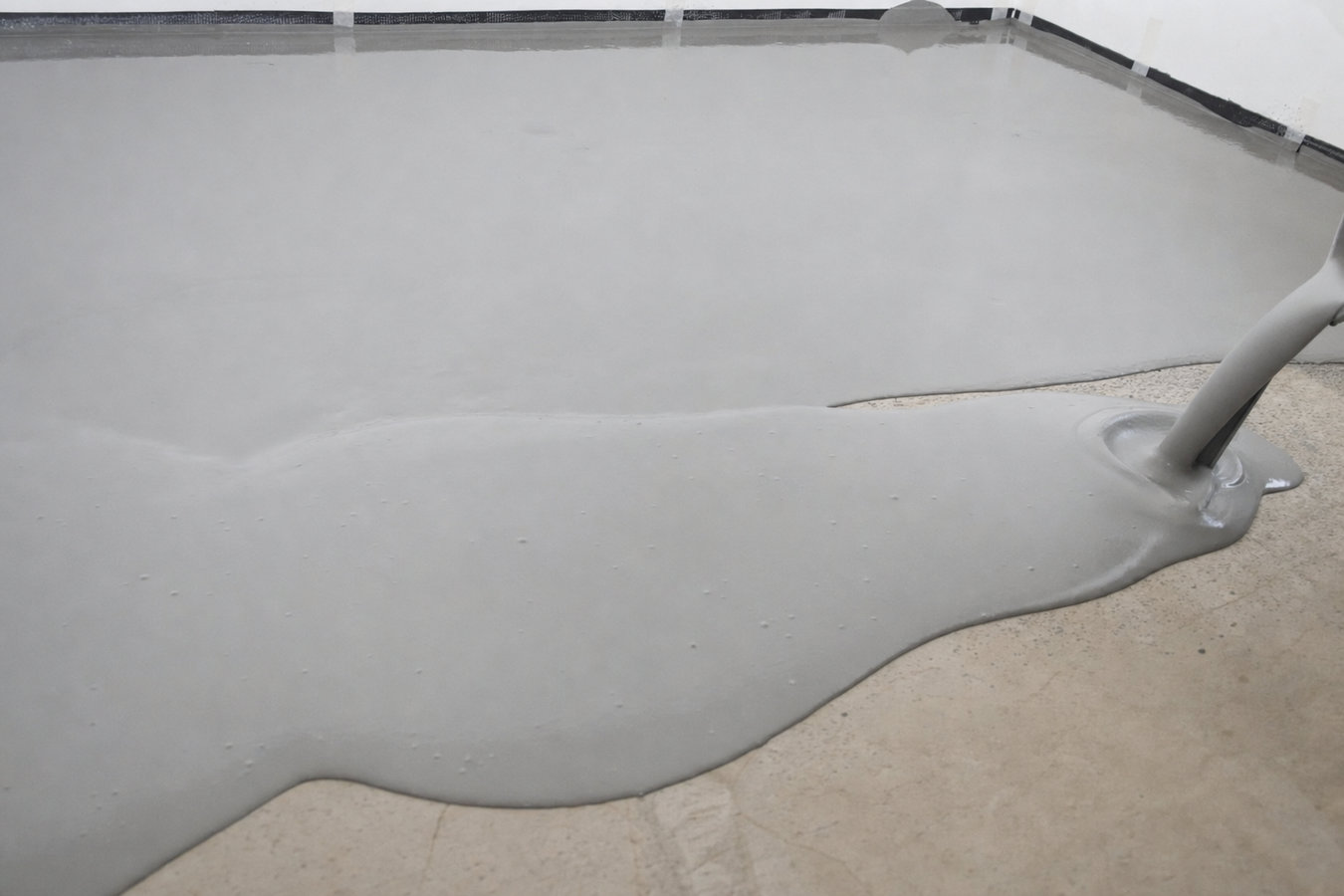
Sloped, wavy, or cracked floors in Berkeley homes are common after decades of seismic activity and soil movement. We pour a self-leveling compound that flows flat on its own, giving you a smooth, stable surface ready for tile, hardwood, vinyl, or any finish you choose.
Self-leveling concrete in Berkeley, CA is a specially mixed material poured onto an uneven floor that flows into low spots on its own, creating a flat, smooth surface ready for flooring installation or a finished overlay, and most single-room jobs take one day to pour plus 24 to 72 hours for curing before the floor can be used.
This is not the same material as standard concrete - it is thinner, more fluid, and designed specifically to correct floors that have settled, warped, or developed unevenness over time. In Berkeley, where a large share of homes were built before 1950 and sit near the Hayward Fault, sloped and uneven floors are extremely common. If your floors have always felt slightly off, you are far from alone - it is a predictable result of decades of subtle ground movement under older foundations.
Self-leveling work is often paired with a decorative overlay applied on top once the floor is flat - similar to what we do with concrete resurfacing and overlays. Whether you need just the leveling compound, just an overlay, or both depends on what you are starting with. We assess every floor in person before recommending a path forward.
If you can feel a tilt when you walk across a room, or if furniture rocks on what should be a flat floor, your slab or subfloor has likely shifted. In Berkeley's older pre-1960 homes, decades of seismic activity and soil movement cause foundations to settle unevenly over time. This is one of the clearest signs that a self-leveling pour could help.
Small gaps or cracks along the base of walls - especially in a basement or ground-floor room - often mean the slab has moved or settled. In Berkeley's older neighborhoods, this kind of movement is common and does not always signal a structural emergency, but it does mean the floor surface needs attention before new flooring goes on top.
If tile has cracked, vinyl has bubbled, or hardwood has started to cup or warp, the floor underneath is likely uneven or has a moisture problem. These are symptoms of a surface that was not properly prepared before the flooring went down. A self-leveling compound applied before the next flooring install prevents this from happening again.
Concrete surfaces in basements and garages take years of abuse - oil stains, surface erosion, and general wear. If the surface looks rough and damaged but the slab underneath is still solid, a decorative overlay can restore it. This is a common situation in Berkeley's older Craftsman bungalows, where ground-floor slabs are still structurally sound.
We install self-leveling concrete compounds as a standalone correction for uneven floors, and we also combine leveling with decorative overlay finishes for homeowners who want the floor to look finished, not just functional. The two are often done together: level the floor first, then apply an overlay on top. For homeowners installing new flooring - tile, hardwood, or vinyl - we provide a leveled base that meets the flatness tolerances those materials require. For homeowners who want a finished concrete surface, we can stamp, stain, or polish the overlay to achieve a range of looks. Both paths lead to the same starting point: a thorough moisture test and surface assessment before anything is poured. We also connect this work with pool deck coatings and resurfacing for outdoor areas where surface leveling and a durable finish are both needed.
Moisture is the biggest hidden risk in self-leveling work, and we take it seriously. If moisture testing reveals vapor coming up through the slab - which is common in Berkeley's older homes and hillside properties - we address it with a sealer or barrier before the pour. Skipping that step is the most common reason this type of work fails within a year. Every job we do includes a final walkthrough to confirm the surface is flat, smooth, and ready for whatever comes next.
Suits homeowners who need a flat, stable base before installing tile, hardwood, vinyl, or other floor coverings on top.
Suits homeowners who want a finished, polished, or stamped concrete surface rather than a base layer for another flooring material.
Suits homeowners whose floors are both uneven and worn, requiring a level base and a fresh surface finish in the same project.
Suits homeowners whose slabs test positive for moisture vapor, requiring a barrier coat before any leveling or overlay material is applied.
Berkeley sits close to the Hayward Fault, one of the most active fault lines in the country. Ground movement - even the small tremors that are barely noticeable - causes concrete slabs and subfloors to shift and settle unevenly over time. That gradual movement, combined with the fact that a large share of Berkeley homes were built before 1950 on foundations that predate modern seismic standards, means sloped and uneven floors are a predictable part of owning an older East Bay home. Self-leveling concrete corrects the visible problem, but a good contractor will also tell you whether the underlying movement warrants a structural look before the surface is addressed.
Moisture is a parallel concern in Berkeley. Homes in both the hills and flatlands can have moisture wicking up through concrete slabs, especially in basements and ground-floor rooms. The Bay Area's foggy, damp climate - combined with the water-retaining soil in many Berkeley neighborhoods - makes this a real issue that affects whether self-leveling and overlay work holds up over time. Homeowners in Kensington and Richmond face similar conditions and can expect us to test for moisture before any pour, not as an afterthought.
Call or message us with a description of what you are dealing with - sloped floors, upcoming flooring installation, worn basement surface, or anything else. We reply within one business day and will schedule a site visit at your convenience.
We visit and assess the floor carefully - measuring unevenness, testing for moisture, and identifying any cracks or damage that need to be addressed first. In Berkeley, this moisture check is especially important given the climate and soil conditions. You get a written estimate based on what we actually find.
We clean the floor thoroughly, grind down high spots, fill major cracks, and apply a primer coat so the leveling compound bonds properly. If moisture is present, we install a barrier before proceeding. This prep phase is the most labor-intensive part of the job - and the most important one.
The self-leveling compound is mixed and poured, spreading itself across the surface. The actual pour is usually just a few hours for a single room. After 24 to 72 hours of curing - slightly longer in Berkeley's cooler climate - we do a final walkthrough to confirm the surface meets what was agreed.
Free estimate, in-person assessment, moisture testing included. We tell you what we find before any work begins.
(341) 212-0767Moisture coming up through a slab is the most common reason self-leveling work fails, and in Berkeley's climate it is a genuine concern. We test every floor before we pour - not as an optional step but as a standard part of the process. If moisture is found, we address it with a barrier before the new material goes down, which protects your investment for the long term.
Berkeley homeowners near the Hayward Fault sometimes have floors that are uneven because of ongoing foundation movement, not just settled soil. We will tell you honestly if that is the case and whether a surface fix alone makes sense or whether a structural assessment should happen first. Taking the job when it is the wrong solution is not how we operate. The USGS Earthquake Hazards Program provides public information on fault activity in the Bay Area.
The most common failure mode for self-leveling concrete is rushing the prep - pouring over a damp, dirty, or un-primed surface. We spend the time that prep requires, including grinding high spots, filling cracks, and priming before the pour. In Berkeley's higher-cost labor market, you deserve to get work that lasts, and ours does.
We have been working on Berkeley homes and businesses for years and understand what local properties need - older foundations, hillside conditions, the moisture patterns that come with Bay Area fog, and what it takes to get permitted work done correctly through the City of Berkeley's Building and Safety Division.
Moisture testing, honest structural assessments, thorough prep, and deep familiarity with Berkeley's older housing stock - those are what we bring to every self-leveling project. Call us to schedule an assessment or request a free estimate online.
Outdoor pool surfaces that are slippery, worn, or cracked benefit from the same leveling and overlay approach applied to interior floors.
Learn MoreWhen the floor is level but the surface looks worn or damaged, a resurfacing overlay refreshes the finish without the need for a leveling pour.
Learn MoreA self-leveling pour is one of the more straightforward fixes in concrete work - reach out today for a free assessment and written estimate.