
Loading...
Serving Berkeley, CA and surrounding areas. (341) 212-0767
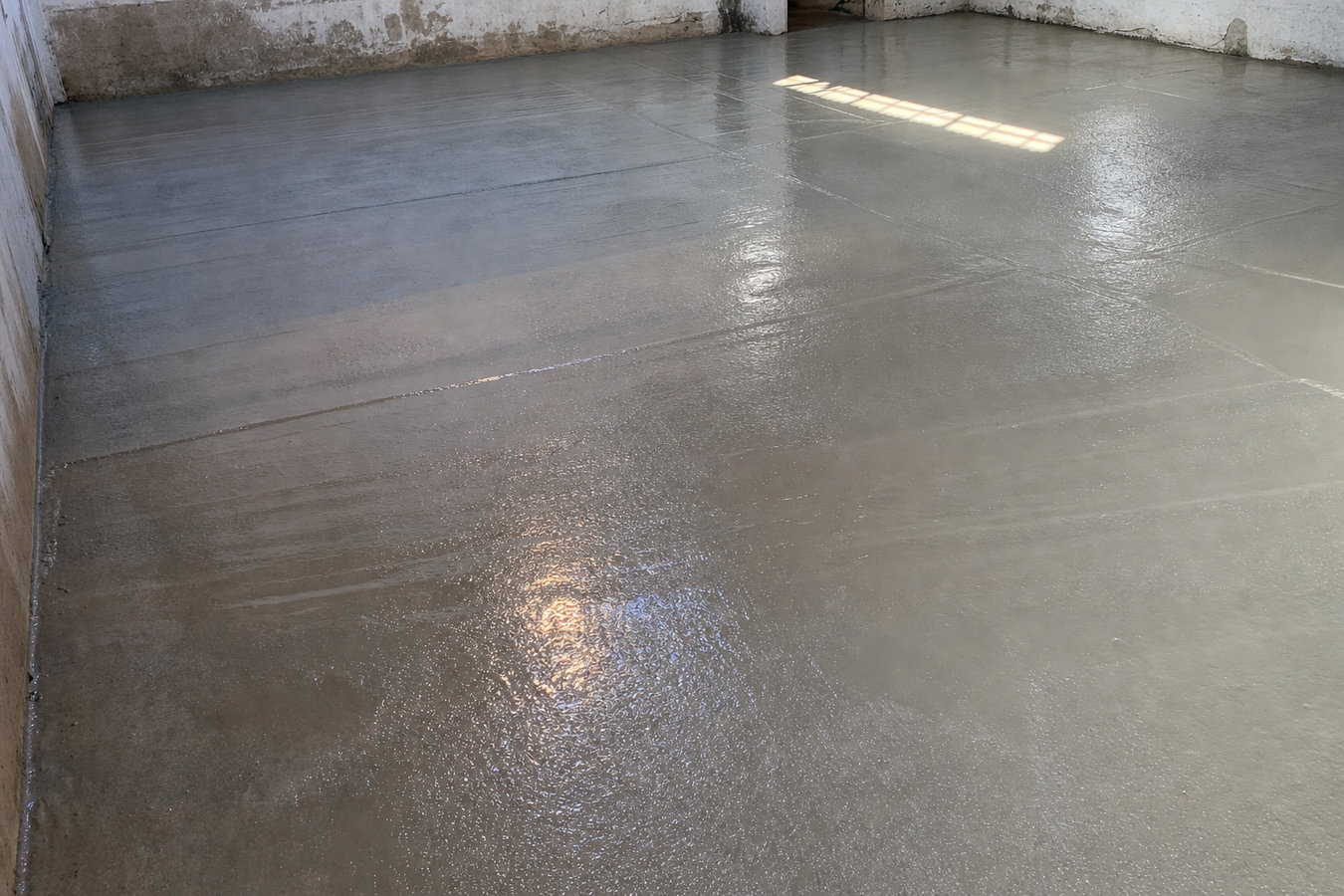
Berkeley winters are hard on unsealed concrete. We clean, prep, and seal driveways, patios, and garage floors so moisture and stains stay out for years, not months.
Concrete sealing in Berkeley puts a thin protective layer over your driveway, patio, or garage floor that keeps water, oil, and everyday grime from soaking in. The application itself takes a few hours. Most surfaces are ready for foot traffic within 24 hours and vehicles within a week.
The condition of your existing surface determines how the job goes. Many Berkeley homes have original concrete driveways and patios that have never been sealed - or were last sealed years ago. Older concrete is more porous, absorbs moisture faster, and needs more thorough prep before a new sealer will bond properly. If the surface needs more than cleaning before sealing, our concrete resurfacing and overlays service can restore it first.
We walk the surface with you during the estimate and tell you what we find - cracks to fill, areas of old sealer to remove, and what finish to expect - before any work begins.
Pour a small cup of water on your driveway or patio. If it soaks in within a minute or two and leaves a dark wet patch, your sealer is gone. This is the clearest sign your concrete is unprotected and absorbing whatever lands on it - including the oil, leaves, and winter rain common across Berkeley neighborhoods.
Berkeley's wet winters are hard on concrete. If your driveway or patio looks noticeably lighter, chalky, or washed out after the rains clear in spring, the surface has been absorbing water and losing its integrity. Healthy sealed concrete holds its color and texture through the wet season.
Cracks that were not there a year or two ago - especially thin surface cracks or flaking at the edges - often mean moisture has been getting in from the inside. In Berkeley's older neighborhoods, where many driveways are decades old, this kind of wear is common and worth addressing before it gets worse.
Dark stains from car oil, fallen leaves, or organic debris that stay even after a hose-down mean your concrete is absorbing those materials rather than repelling them. Sealed concrete resists staining because liquids cannot penetrate the surface. Stains that will not budge are a reliable sign the protection is gone.
We seal driveways, patios, walkways, and garage floors across Berkeley using products compliant with the Bay Area Air Quality Management District's VOC limits. Every job starts with thorough surface preparation - cleaning, removing old failing sealer, and filling stable cracks before the new sealer goes on. That prep step is where most cut-rate jobs fail early, and it is where we spend most of our time - the difference between a concrete contractor who cuts corners and one who does not. If a surface needs significant resurfacing before sealing, our concrete resurfacing and overlays service addresses that first, so the sealer has a solid surface to bond to.
For surfaces that need a refined finish before sealing - such as garage floors being converted to living spaces - our polished concrete flooring service combines grinding, densifying, and polishing steps that produce a sealed surface as part of the final finish. The sealer type we recommend depends on your surface, its location, how it is used, and the finish you want - from a natural matte look to a higher-sheen protective coat. We show you samples before we start so you know exactly what to expect.
Best for driveways and outdoor patios where you want protection without changing the look - the sealer soaks into the concrete and leaves the surface looking natural.
Suited to surfaces where a visible sheen is acceptable - adds a layer of protection on top of the concrete and comes in matte, satin, or gloss finishes.
Formulated for interior concrete subject to vehicle traffic, oil drips, and chemical exposure - the right choice before or after a coating system.
For surfaces with stable cracks that need to be addressed before a fresh sealer will hold - we fill, let cure, and then apply the new sealer as a single coordinated job.
Berkeley's Mediterranean climate - wet from November through March and dry through summer - creates a punishing cycle for any unprotected concrete surface. That repeated swelling and shrinking from moisture absorption and drying is how surfaces crack from the inside. The best time to seal is late summer through early fall, after the concrete has had the full dry season to dry out, with weeks of warm weather still ahead before the rains return. Berkeley also has a large share of homes built before 1960, and many of those driveways and patios have never been sealed - or have old sealer that has long since worn away. The Portland Cement Association and the Concrete Network both document how moisture is the leading cause of premature concrete deterioration - and sealing is the most cost-effective way to interrupt that process.
A significant portion of Berkeley homes also sit on sloped hillside lots, where water runoff direction affects how a sealer should be applied to avoid pooling or runoff onto neighboring properties. We approach hillside and flat-lot jobs differently. We serve homeowners throughout the East Bay, including Oakland and Albany, where the same coastal climate and older housing stock create similar sealing needs.
Call or use the contact form. We will ask about the surface - driveway, patio, garage floor, or a combination - and schedule a free on-site estimate. Most residential sealing estimates take less than 30 minutes. We aim to respond within one business day.
We walk the surface carefully and flag anything that needs attention before sealing - cracks to fill, areas of old peeling sealer, or spots where the concrete has shifted. In Berkeley, where older concrete and mature trees are common, this step often turns up things the homeowner had not noticed. You leave the walkthrough with a written quote.
This is the most important step. We clean the entire surface, remove old failing sealer, and fill stable cracks before anything new goes on. You keep the area clear of vehicles and furniture - we handle the prep. A sealer applied over a poorly cleaned or damp surface will peel within a season, so we do not rush this part.
Once the surface is clean and dry, we apply the sealer. The job typically takes a few hours. We give you a specific drying timeline based on the product and the weather - Berkeley's cool, foggy mornings can slow curing even in summer. Before we leave, we walk the finished surface with you and explain how to care for it and when to expect the next resealing.
Free on-site estimate with no obligation. We walk the surface with you, tell you exactly what it needs, and give you a written quote before any work begins.
(341) 212-0767The Bay Area Air Quality Management District restricts certain sealing products that are still widely used in other states. We use compliant products on every job - no shortcuts, no products that have to be redone because they did not meet local air quality requirements. You will know exactly what is going on your concrete before work begins.
The most common reason a sealer fails early is application over a dirty, damp, or inadequately prepared surface. We clean, repair, and dry every surface before the sealer goes on. For Berkeley's older, more porous concrete, this step takes more time - and we budget for that in the estimate, not as a surprise add-on.
We have sealed concrete on Berkeley properties ranging from flat Flatlands lots to steep hillside driveways above the city. Slope and drainage direction affect how a sealer is applied and what product works best. A contractor who has worked across Berkeley's varied topography brings that judgment to every job.
Most sealers last two to five years in Berkeley's climate, depending on traffic and weather. Before we leave, we give you a plain-language walkthrough of how long your sealer should last, what to watch for as it ages, and the simple water-bead test you can do yourself to know when it is time to reseal. No guessing.
Concrete sealing is one of the lowest-cost, highest-return maintenance steps a Berkeley homeowner can take. Done right, it adds years to a surface that would otherwise quietly absorb damage through every wet season. Done wrong - or skipped - that damage shows up as cracks, staining, and costly repairs down the line.
When a surface is too worn or damaged for sealing alone, resurfacing lays a fresh layer of material that can then be sealed.
Learn MoreCombines grinding, densifying, and polishing into a finished floor that is sealed as part of the process - no separate sealing step needed.
Learn MoreFall booking slots fill up quickly. Call or send a message now and we will schedule your free on-site estimate while the dry season is still working in your favor.